
Introduction: Why Exercise Matters More Than Ever
The Role of Exercise in Lifestyle Diseases has become a critical topic as modern lifestyles increasingly lead to chronic conditions such as obesity, type 2 diabetes, cardiovascular disease, and hypertension. Sedentary behavior, poor diet, stress, and lack of physical activity are fueling a global rise in these non-communicable diseases. However, the good news is that exercise isn’t just a fitness trend—it’s a proven, powerful tool for prevention, management, and in some cases, even reversal of these conditions. It’s more than lifting weights or running on a treadmill; it’s about reclaiming your health and reducing dependence on medication.
💪 1. Exercise and Cardiovascular Health
Regular cardiovascular exercise—such as walking, running, cycling, or swimming—strengthens the heart muscle, improves blood flow, and helps manage blood pressure. Engaging in aerobic activity at least 150 minutes per week has been shown to significantly reduce the risk of coronary artery disease and stroke. It also increases good cholesterol (HDL) and lowers bad cholesterol (LDL). Fitness equipment like treadmills, ellipticals, and stationary bikes offer safe, consistent ways to improve heart health, especially for beginners or older adults.
🍽 2. Combating Type 2 Diabetes with Physical Activity
Type 2 diabetes is one of the most common lifestyle diseases, but one of the most responsive to exercise. Regular workouts improve insulin sensitivity, allowing cells to use glucose more effectively. Resistance training, in particular, enhances muscle mass, which helps absorb glucose and maintain balanced blood sugar levels. Strength equipment like multi gyms, dumbbells, and leg press machines play a valuable role here. When combined with proper nutrition, such as reducing sugar intake and increasing fiber-rich foods, exercise becomes a frontline defense against diabetes.
⚖️ 3. Fighting Obesity and Weight-Related Disorders
Obesity is not only a disease on its own—it also increases the risk of many others. Exercise helps burn calories, build muscle, and rev up the metabolism. More importantly, it improves mental resilience and reduces emotional eating triggered by stress. High-Intensity Interval Training (HIIT) and circuit workouts using rowers, resistance bands, or kettlebells are especially effective in targeting stubborn fat and boosting metabolism.
❤️ 4. Managing Hypertension and High Cholesterol
Hypertension, or high blood pressure, often goes unnoticed until it causes serious damage. Exercise helps lower resting blood pressure by improving blood vessel flexibility and reducing arterial stiffness. Combining cardio (like brisk walking or cycling) with light strength training is highly effective. Recumbent bikes and rowing machines are ideal for low-impact yet heart-healthy workouts.
🧘♀️ 5. Reducing Stress, Depression, and Anxiety
Lifestyle diseases are not limited to the physical body—mental health conditions like anxiety and depression are increasing rapidly. Exercise plays a therapeutic role by releasing endorphins, reducing stress hormones like cortisol, and improving mood. Activities like yoga, Pilates, and light cardio help regulate mental health while contributing to better sleep and overall well-being.
🥗 Nutrition and Supplements to Support Active Lifestyles
To maximize the benefits of exercise in combating lifestyle diseases, nutrition is essential. Here are some key tips:
-
Eat whole, unprocessed foods like vegetables, fruits, whole grains, and lean protein.
-
Stay hydrated—water supports metabolism and detoxification.
-
Consider supplements like:
-
Omega-3 fatty acids – for heart and brain health.
-
Magnesium – supports blood pressure and muscle function.
-
Vitamin D – improves bone density and immunity.
-
Whey Protein – aids in recovery and muscle maintenance.
-
Recommended Equipment to Get Started
You don’t need a full gym to get moving. These versatile pieces of equipment can help:
-
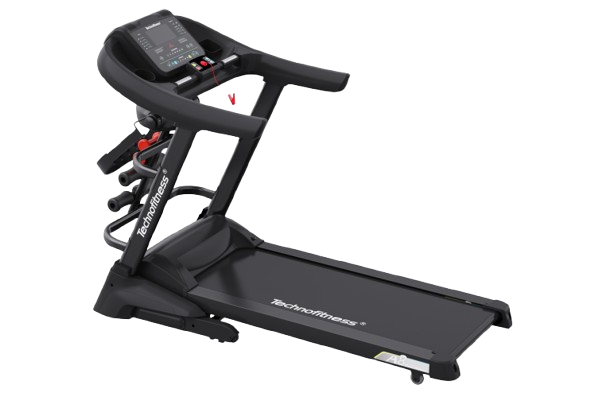
Treadmill – Great for walking or jogging at home.
-
Spin Bike – Low-impact, calorie-burning cardio.
-
Adjustable Dumbbells – For strength training and body recomposition.
-
Yoga Mat – For mobility, flexibility, and mindfulness exercises.
-
Resistance Bands – Portable and effective for full-body workouts.
Explore Gategold’s collection of professional fitness equipment to start your journey with quality you can trust.
Are you ready to fight back against lifestyle diseases and take control of your health? Start today with Gategold Fitness. Explore our affordable home and commercial gym equipment and take the first step toward transforming your lifestyle. Your health isn’t a luxury—it’s a necessity.
Visit our showrooms in Lagos, Abuja, Port Harcourt, Onitsha, and other branches nationwide.
- Gategold Nigeria
- BuyFitnessProduct
- Sole Fitness Nigeria
-
Phone: +234 803 329 3090
-
Shop Online: Fast delivery nationwide
-
Need Help? Our experts are ready to assist with setup and equipment recommendations.
❓ FAQ: Exercise and Lifestyle Diseases
Q1: Can exercise really prevent lifestyle diseases?
A: Yes, regular physical activity is scientifically proven to reduce the risk of chronic illnesses like type 2 diabetes, hypertension, and cardiovascular disease.
Q2: How much exercise do I need per week?
A: Aim for at least 150 minutes of moderate aerobic activity and two sessions of strength training weekly.
Q3: I have a condition already. Is it safe to start exercising?
A: Yes, but consult with your healthcare provider to create a tailored fitness plan. Start slow and increase intensity over time.
Q4: What type of exercise is best for beginners?
A: Walking, cycling, swimming, and bodyweight strength exercises are great beginner options. Machines like treadmills and ellipticals are also safe and easy to use.
Q5: How long before I see results?
A: While physical changes take a few weeks, improvements in energy, sleep, and mood can be noticed in just days of consistent training.