

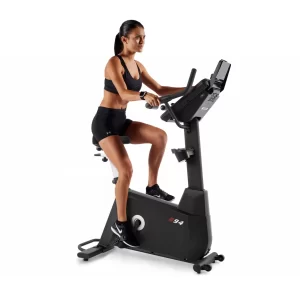
Recumbent Bike: Pros, Cons, and How to Use It
When it comes to low-impact, joint-friendly cardio equipment, the recumbent bike stands out as a favorite for beginners, seniors, and those recovering from injuries. But even if you’re an athlete or regular gym-goer, this machine deserves your attention.
At Gategold and Sole Fitness, we’ve helped countless individuals choose the right equipment for their goals, and the recumbent bike is often misunderstood or overlooked. So in this post, we’re breaking down the pros, cons, and how to use it properly—so you can ride your way to better health with confidence.
What Is a Recumbent Bike?
A recumbent bike is a stationary cardio machine that allows the user to sit in a reclined position with their legs extended forward to pedal. Unlike upright bikes, it features:
-
A larger seat with back support
-
Pedals in front of the body instead of underneath
-
A more relaxed riding posture
This makes it especially appealing for people looking for comfort, stability, and back support while exercising.
Pros of Using a Recumbent Bike
1. Low-Impact on Joints
The seated, reclined position reduces strain on knees, hips, and lower back—making it ideal for people with arthritis, joint pain, or those recovering from injuries.
2. Comfortable and Supportive
The wide, cushioned seat and backrest provide full lumbar support, allowing longer workouts without discomfort.
3. Safe and Beginner-Friendly
With its stable base and ergonomic design, it’s hard to fall or use incorrectly. Great for seniors or those new to fitness.
4. Effective Cardio and Fat Burn
Despite its comfort, the recumbent bike still delivers a heart-pumping workout. It’s excellent for burning calories and improving cardiovascular health.
5. Multi-Task Friendly
Because of the hands-free setup, you can read, scroll your phone, or watch TV while cycling—making it easier to stick to a routine.
Cons of a Recumbent Bike
1. Less Intense Than Upright Bikes
While it’s great for general fitness, the reclined position doesn’t activate your core or upper body as much as upright or spin bikes.
2. Takes Up More Space
Due to the seat design and frame, recumbent bikes are typically bulkier and require more floor space than standard upright bikes.
3. Not Ideal for High-Performance Training
If you’re training for competitive cycling or want explosive interval training, you might need a spin bike or road bike for better performance simulation.
How to Use a Recumbent Bike Properly
Getting on a recumbent bike is easy—but using it efficiently takes intention. Follow these steps to maximize your results:
Step 1: Adjust the Seat
Slide the seat forward or backward until your knees are slightly bent at the farthest pedal extension. This prevents joint strain and ensures proper alignment.
Step 2: Set Your Resistance
Start with a low resistance, especially if you’re new. Gradually increase it to challenge your muscles and boost heart rate. Many bikes have built-in programs for fat burn, cardio, or intervals.
Step 3: Maintain Good Posture
Even though you’re reclined, don’t slouch. Sit tall, press your back against the seat, and keep your core slightly engaged.
Step 4: Warm Up and Cool Down
Begin with a 3–5-minute warm-up at low resistance. End your session with a slow cooldown and some light stretching.
Step 5: Monitor Time and Intensity
Aim for 20–45 minutes per session, depending on your fitness level. Use built-in monitors or smartwatches to track heart rate and calories burned.
Sample Recumbent Bike Workout
Total Duration: 30 Minutes
Goal: Low-impact fat burn and endurance
| Time | Intensity | Notes |
|---|---|---|
| 0–5m | Low | Warm-up |
| 5–10m | Moderate | Steady pace |
| 10–20m | Intervals (30s hard / 90s easy) | Boost heart rate |
| 20–25m | Moderate | Maintain steady pace |
| 25–30m | Low | Cool down |
Repeat 3x a week for noticeable results.
Top-Quality Recumbent Bikes Available at Gategold & Sole Fitness
Looking for a recumbent bike for your home or gym? We stock premium models with:
-
Adjustable magnetic resistance
-
LCD display for time, distance, calories
-
Pulse sensors and smart connectivity
-
Heavy-duty steel frames for durability
Shop now at:
www.gategoldng.com
www.solefitness.com.ng
Nationwide delivery available
Final Thoughts: Is a Recumbent Bike Right for You?
If you’re looking for a safe, effective, and comfortable way to stay active, the recumbent bike could be your new best friend. It’s perfect for injury recovery, cardio beginners, seniors, and anyone who wants to work out consistently without pressure on their joints.
At Gategold and Sole Fitness, we don’t just sell equipment—we help you move better, feel stronger, and stay consistent.
So whether you’re rehabbing, maintaining, or just getting started—take a seat and start pedaling. Your fitness journey is waiting.
Got questions about which bike is best for your goals?
Message us anytime on Instagram @gategoldfitness or @solefitnessng. We’d love to help you find the perfect ride.