

Functional Fitness for Everyday Life: Move Better, Live Stronger
Functional fitness for everyday life. is more than a workout style—it’s a way to train your body for the movements you do daily. Whether it’s lifting groceries, climbing stairs, bending to pick up your child, or even balancing while walking, functional fitness strengthens your muscles, improves coordination, and reduces the risk of injury in everyday activities.
Unlike isolated machine-based exercises, functional fitness focuses on compound movements that train multiple muscles and joints together, making you not just gym-strong but life-strong.
What Is Functional Fitness for Everyday Life?
Functional fitness for everyday life is about training with purpose—building the type of strength, stability, and flexibility that makes real-world tasks easier. Instead of focusing solely on aesthetics, this approach prioritizes movements such as:
- Squats (for sitting and standing easily)
- Lunges (for walking and balance)
- Push-ups (for pushing heavy objects)
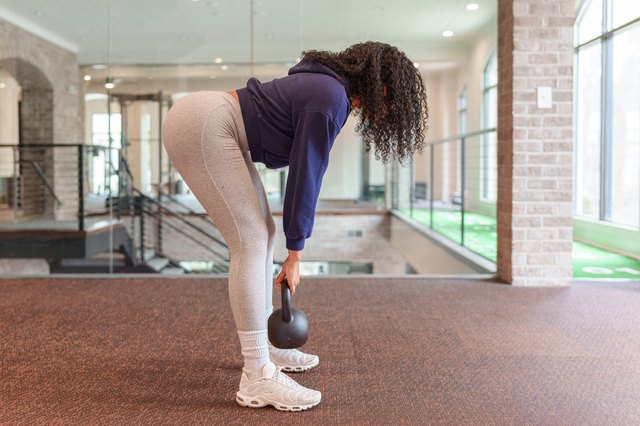
- Deadlifts (for picking up items safely)
- Overhead presses (for reaching high shelves)
By mimicking everyday motions, these exercises help you maintain independence, prevent injuries, and move with confidence.
Benefits of Functional Fitness for Everyday Life
1. Better Mobility and Flexibility
By training through full ranges of motion, you keep your joints healthy and prevent stiffness.
2. Stronger Core and Stability
Functional workouts strengthen your core muscles, which improves balance and posture in daily life.
3. Reduced Risk of Injury
When your body is conditioned for daily movements, you’re less likely to strain yourself during routine tasks.
4. Improved Strength for Daily Activities
Whether it’s carrying shopping bags or lifting furniture, you’ll have the power to get things done without strain.
Example Functional Fitness Routine for Everyday Life
Here’s a sample workout you can try 3–4 times a week:
- Bodyweight Squats – 3 sets of 12 reps
- Walking Lunges – 3 sets of 10 per leg
- Push-ups – 3 sets of 10–15 reps
- Plank Holds – 3 sets of 30–60 seconds
- Kettlebell Deadlifts – 3 sets of 12 reps
- Overhead Dumbbell Press – 3 sets of 10 reps
Tip: Start with lighter weights and increase gradually as your strength improves.
Internal Links:
External Links:
FAQs about Functional Fitness for Everyday Life
Q1: Is functional fitness only for athletes?
No, functional fitness is for everyone—especially those who want to improve mobility, strength, and daily movement efficiency.
Q2: How often should I do functional fitness training?
Aim for 2–4 sessions per week, depending on your schedule and fitness level.
Q3: Can I do functional fitness at home?
Absolutely! Many exercises require little to no equipment, making it perfect for home workouts.