
Commercial Gym: Equipment, Setup, and How It Works
A commercial gym is a professionally designed fitness facility built to support frequent, high-volume use by many people every day. Unlike personal workout spaces, it operates with heavy-duty equipment, defined workout zones, and systems that allow long daily operating hours without performance loss. Because of this structure, Elite Fitness Facility are widely used in fitness centers, hotels, corporate buildings, schools, and wellness facilities.
Understanding how a Elite Fitness Facility functions, the type of equipment it uses, and how the space is organized helps fitness professionals and facility planners make better decisions.
What Makes a Gym Commercial
A commercial gym is defined by durability, capacity, and long-term operational reliability. Every component is selected to handle repeated use while maintaining safety and performance standards.
Key characteristics include:
-
Heavy-duty fitness equipment
-
Structured workout zones
-
Professional flooring systems
-
Extended daily operating hours
These features separate a Elite Fitness Facility from home or personal fitness setups.
Core Equipment Found in a Commercial Gym
The equipment in a commercial gym is designed to support different training goals while remaining reliable under constant use. Each category serves a specific purpose within the facility.
Cardio Equipment
Cardio machines are essential for warm-ups, endurance training, and general conditioning. They are often the most frequently used machines in any gym environment.
Common cardio equipment includes:
-
Treadmills
-
Elliptical trainers
-
Stationary and recumbent bikes
-
Rowing machines
-
Stair climbers
These machines are built with reinforced frames, commercial-grade motors, and components designed for long service life.
Strength Training Machines
Strength machines allow controlled resistance training and are suitable for users of different experience levels. In a Elite Fitness Facility they must be adjustable, stable, and safe.
Typical strength equipment includes:
-
Selectorized machines
-
Plate-loaded machines
-
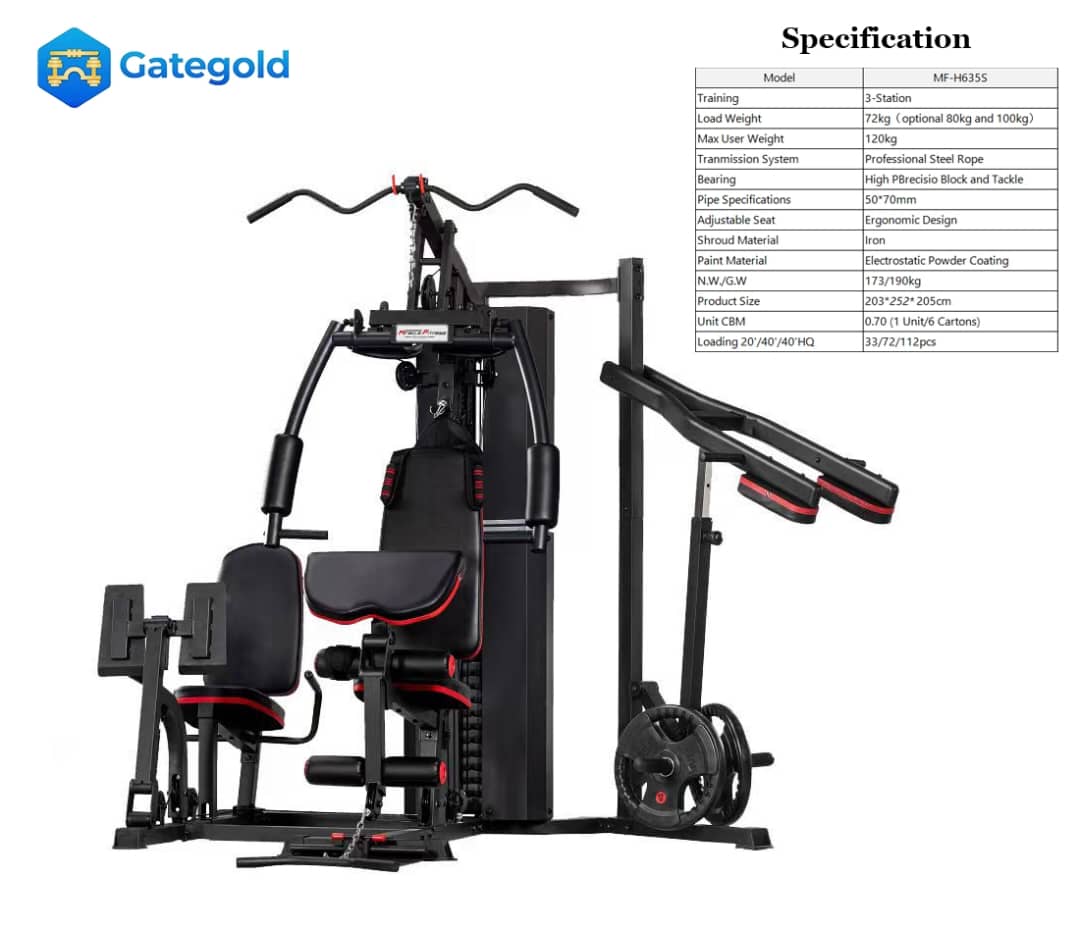
Multi-station units
-
Functional training systems
This equipment supports structured training while reducing the risk of improper movement.
Free Weight Area
Free weights play a critical role in muscle development and functional training. They allow unrestricted movement patterns and support compound exercises.
Standard free-weight equipment includes:
-
Barbells
-
Dumbbells
-
Weight plates
-
Power racks and squat racks
Proper spacing and impact-resistant flooring are essential in this area.
Commercial Gym Layout and Space Planning
A well-planned commercial gym layout improves safety, traffic flow, and overall user experience. Equipment should be arranged to prevent overcrowding while allowing easy movement between zones.
Common layout zones include:
-
Cardio section
-
Strength machine area
-
Free-weight zone
-
Functional training space
-
Stretching or recovery area
Good spacing reduces accidents and equipment damage while improving comfort.
Who Uses a Commercial Gym
A commercial gym serves a broad range of users, which is why equipment must be adaptable and intuitive.
Typical users include:
-
General fitness members
-
Athletes
-
Rehabilitation clients
-
Group training participants
-
Corporate or institutional users
This variety influences equipment selection and layout planning.
Operational Needs of a Commercial Gym
Running a Elite Fitness Facility involves more than installing equipment. Daily operations require consistent planning and management.
Key operational requirements include:
-
Routine equipment maintenance
-
Safety inspections
-
Hygiene and cleaning protocols
-
Electrical and ventilation systems
These factors directly affect user satisfaction and long-term performance.
Safety Standards in Commercial Gym Facilities
Safety is a core requirement in any Elite Fitness Facility environment. Equipment must be stable, clearly labeled, and regularly inspected.
Important safety elements include:
-
Non-slip flooring
-
Emergency stop features on machines
-
Clear instructional signage
-
Proper lighting and airflow
Strong safety standards reduce injury risk and liability.
Maintenance and Equipment Longevity
Preventive maintenance is essential for keeping a commercial gym operational. Regular care reduces downtime and extends the lifespan of equipment.
Common maintenance practices include:
-
Scheduled inspections
-
Lubrication of moving parts
-
Cable and belt checks
-
Cleaning to control dust and sweat buildup
Consistent maintenance protects investment and improves reliability.
Commercial Gym Equipment vs Home Equipment
Commercial gym equipment is engineered for endurance, load capacity, and frequent use. Home equipment, by contrast, prioritizes convenience and compact design.
Key differences include:
-
Stronger frames and motors
-
Higher weight capacity
-
Longer warranty cycles
-
Professional-grade materials
These distinctions explain why commercial facilities rely on specialized equipment.
The Role of Commercial Gyms in Modern Fitness
A commercial gym provides access to professional training environments and equipment that most individuals cannot install at home. It supports structured workouts, supervised training, and consistent fitness routines.
As demand for organized fitness spaces grows, the importance of well-designed commercial gyms continues to rise.
Final Thoughts
An Elite Fitness Facility is not just a collection of machines—it is a carefully planned fitness environment focused on durability, safety, and user experience. From equipment selection to layout and maintenance, every element contributes to long-term success.
Understanding how a Elite Fitness Facility works helps fitness professionals, facility managers, and equipment suppliers align with industry standards and expectations.