

Introduction: Setting Up a Gym—Smart Choices Matter
When launching or upgrading a commercial gym, choosing the right equipment is only half the battle—the other half is deciding how to acquire it. The choice between leasing and buying gym equipment has financial, operational, and strategic implications for your business. While buying gives you full ownership, leasing offers flexibility and reduced upfront costs.
This post explores the benefits of leasing vs. buying gym equipment to help you determine which option suits your gym’s long-term goals, size, and budget.
1. Buying Gym Equipment: The Case for Full Ownership
Buying gym equipment outright means you pay once and own it indefinitely. This is the traditional route many established gyms choose.
✅ Advantages of Buying Gym Equipment
-
Full Ownership: Once paid for, the equipment is entirely yours—no monthly fees, no contracts.
-
Asset Value: Equipment can be listed as a business asset and depreciated over time for tax purposes.
-
No Contracts or Restrictions: You’re free to use, modify, or sell the equipment whenever you like.
-
Long-Term Cost Savings: Over time, owning equipment is often cheaper than leasing.
❌ Disadvantages of Buying
-
High Upfront Costs: Purchasing equipment for a full gym can cost millions, making it tough for startups or small gyms.
-
Depreciation: Equipment loses value quickly and becomes outdated as new technology emerges.
-
Maintenance Responsibility: You’re responsible for repairs, servicing, and replacements, which can add to your long-term costs.
-
Lack of Flexibility: You’re locked into your choice; upgrading or replacing machines can be costly.
2. Leasing Gym Equipment: Flexibility and Cash Flow
Leasing means you rent the equipment for a fixed period, often with the option to upgrade or purchase at the end of the term.
✅ Advantages of Leasing Gym Equipment
-
Lower Initial Investment: Leasing significantly reduces the upfront cost, making it ideal for new businesses.
-
Predictable Monthly Expenses: Fixed monthly payments make budgeting easier.
-
Access to the Latest Equipment: Many leases offer upgrades, allowing your gym to stay current with modern fitness trends and technology.
-
Maintenance Packages Often Included: Many leasing agreements include servicing, reducing your worry about equipment breakdowns.
-
Tax Benefits: Lease payments can often be written off as operating expenses.
❌ Disadvantages of Leasing
-
No Ownership: You don’t build asset value, and at the end of the lease, you might need to return the equipment.
-
Long-Term Cost: Leasing may cost more over time than buying, especially if you renew leases frequently.
-
Contract Restrictions: Leasing agreements may have restrictions on use, modifications, or early termination.
-
Credit Approval Required: Leasing often involves background checks or financial scrutiny.
3. Leasing vs Buying: Side-by-Side Comparison
| Factor | Leasing Gym Equipment | Buying Gym Equipment |
|---|---|---|
| Upfront Cost | Low or none | High |
| Ownership | No | Yes |
| Flexibility | High (upgrade options) | Low (equipment stays the same) |
| Maintenance | Often included in lease | You cover all repairs |
| Tax Benefits | Operating expense deductions | Depreciation over time |
| Long-Term Cost | Usually higher | Usually lower |
| Cash Flow Impact | Easier on monthly cash flow | Strains cash reserves |
| Equipment Upgrades | Easy with new lease | Expensive and infrequent |
4. Which Option Is Best for Your Gym?
👉 Choose Leasing If:
-
You’re opening a new gym and want to conserve cash.
-
You plan to upgrade equipment regularly to stay competitive.
-
You prefer maintenance and service to be handled by the provider.
-
You want predictable monthly expenses.
👉 Choose Buying If:
-
You have sufficient capital and want to invest long-term.
-
You plan to keep your equipment for many years.
-
You want full control and ownership of assets.
-
You’re building a permanent facility with a stable business model.
5. A Hybrid Approach: The Best of Both Worlds
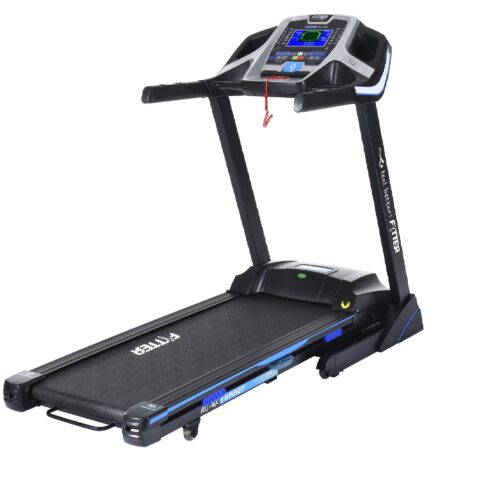
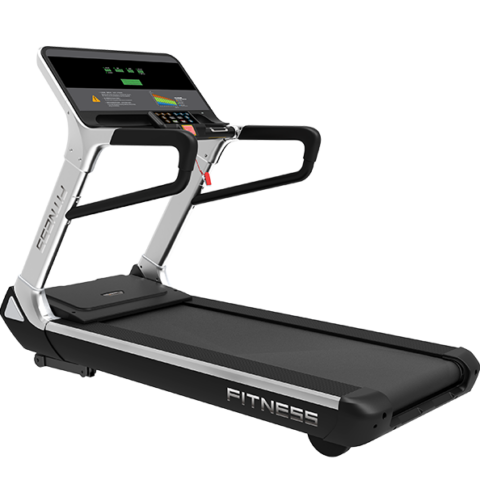
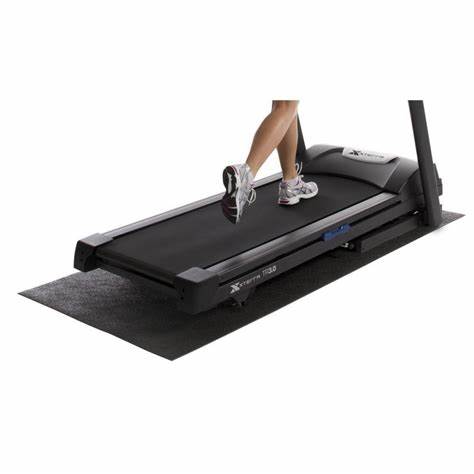
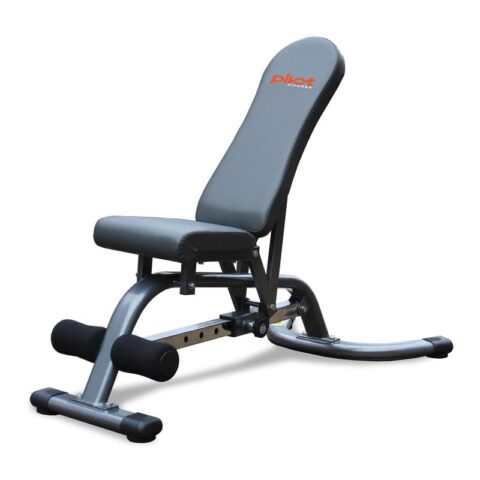
Some gym owners opt for a hybrid strategy—buying essential, long-term-use machines (like squat racks, benches, and weights) and leasing high-tech cardio machines (like treadmills or elliptical trainers that are updated more frequently).
This balances cash flow, functionality, and flexibility, especially for businesses that want to remain agile in a competitive market.
Conclusion: Make a Smart, Strategic Investment
Whether you lease or buy gym equipment, your decision should align with your business goals, budget, and long-term vision. Leasing offers flexibility and ease for startups, while buying suits more established gyms seeking long-term savings and asset ownership.
The key is to understand your priorities—whether it’s cash flow, control, or cutting-edge tech—and choose the option that maximizes your gym’s growth potential.
Need Help Choosing?
At Gategold Fitness, we supply and support both leasing and purchasing of premium commercial gym equipment. Whether you’re outfitting a hotel gym, a corporate wellness center, or a large fitness studio, we’ll guide you every step of the way.
👉 Contact us today to find the perfect fit for your space, budget, and vision.
Visit our showrooms in Lagos, Abuja, Port Harcourt, Onitsha, and other branches nationwide. We deliver nationwide
- GateGold Nigeria
- BuyFitnessProduct
- Sole Fitness Nigeria
-
Phone: +234 803 329 3090
-
Shop Online: Fast delivery nationwide
-
Need Help? Our experts are ready to assist with setup and equipment recommendations