

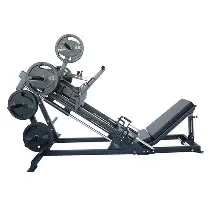
Buy Plate Loaded Machines — If you’re building a commercial gym, upgrading a private training studio, or putting together a heavy-duty home gym, plate-loaded machines are a smart, long-term investment. Unlike selectorized or weight-stack alternatives, plate-loaded equipment gives lifters a pure, linear resistance feel, greater durability under heavy use, and easy upgrades as your clients’ strength grows. In Nigeria’s 2025 gym market the plate-loaded category is widely available at commercial suppliers and importers, with options spanning from single-station chest presses and leg presses to specialized units like hip-thrust and hack-squat combos. Whether you need robust kit for high-traffic commercial use or compact plate-loaded stations for a boutique space, this guide will walk you through what to buy, what to look for, where to buy in Nigeria, and how to get the best value.
Introduction — Why plate-loaded machines still matter – Buy Plate Loaded Machines
Plate-loaded machines (you load standard weight plates on sleeves) deliver a direct, raw resistance that many strength coaches prefer for powerlifting-style movements. Pin-loaded (or plate-loaded with locking pins) and selectorized machines (internal cable/stack) trade off simplicity for convenience. Plate-loaded advantages: cleaner biomechanics for compound lifts, simpler maintenance (fewer cables/pulleys), and higher weight capacity for heavy athletes. Downsides: they require storage space for plates, sometimes larger footprints, and a small learning curve for novices. For crowded commercial gyms or PT studios where progression and durability are priorities, plate-loaded stations are often the more cost-effective long-term choice. (For price comparisons and commonly purchased models in Nigeria, see supplier listings later in this guide.)
2. What to check before you buy (build quality & specs) – Buy Plate Loaded Machines
When evaluating plate-loaded equipment, inspect these critical specs:
-
Frame and weld quality — thick, fully welded steel frames (ask for tube gauge and weld photos).
-
Sleeve and bearing system — hardened steel sleeves and quality bearings or bushings for smooth plate travel.
-
Load capacity — commercial units should handle 200–500+ kg depending on the machine; check the spec sheet.
-
Ergonomics & adjustability — adjustability for seat height, back angle and handle position ensures your clients of varying sizes can use the machine safely.
-
Footprint & shipping dimensions — confirm assembled and box dimensions (important for delivery inside Lagos, Abuja, Port Harcourt etc.).
-
Finish & corrosion resistance — powder coat finish and chrome sleeves resist sweat and humid conditions.
-
Warranty & spare parts — local warranty or importer support is invaluable; some international brands ship parts to Nigeria but lead times vary.
If possible, test a demo unit in a local showroom. Many Nigerian suppliers list full specs and photos on their product pages; ask for weight capacities and product certificates before purchase.
3. Recommended plate-loaded machines by use case
Commercial/high-traffic gyms
-
Leg Press / Hack Squat combo — look for heavy frame, reinforced footplate, and multi-lockout positions. Commercial imports from brands distributed to Nigeria are commonly available.
Boutique studios / PT spaces
-
Single-station plate-loaded chest press, shoulder press — compact footprint, high build quality, and quick adjustability. Local suppliers stock single stations aimed at studios. gategoldfitness.com
Home gyms / garage gyms
-
Plate-loaded row and leg press with smaller footprint — choose units with lower plate-capacity requirements to save on cost and space. Retail marketplaces and classifieds often list near-new units at lower prices.
Specialty lifts
-
Hip thrust machines, trap bars, plate-loaded thrusters — valuable if you train athletes and want to prioritize glute and posterior chain development. These are available through specialist importers. gategoldfitness.com
4. Typical price ranges in Nigeria (2025 snapshot) – Buy Plate Loaded Machines
Expect broad price ranges depending on brand, origin (local stock vs import), and whether the unit is commercial grade:
-
Single-station plate-loaded machines (commercial): ~₦1,200,000 – ₦2,500,000.
-
Leg press / large commercial combo: ₦1,800,000 – ₦5,000,000+ depending on brand/spec.
-
Used / second-hand options: substantially cheaper — check local marketplaces for recent listings.
These prices are indicative — Gategold and other Nigerian suppliers list plate-loaded models in the ₦1.3M–₦2.6M range for many single stations, while marketplaces like Jiji and Ubuy show similar commercial and import models. Shipping, customs, and installation can add to final costs if you import directly. Always request full landed cost (unit + shipping + import duty + local delivery + installation).b
5. Where to buy in Nigeria — vetted options & what to ask – Buy Plate Loaded Machines
Local commercial suppliers (recommended first stop)
-
Gategold Fitness — stocks a variety of plate-loaded single stations and commercial lines; has Lagos showroom and local delivery options.
Online marketplaces and classifieds
-
Jiji, Ubuy — useful for comparing near-new or imported options quickly; verify seller credibility and warranty.
Direct import (international manufacturers)
-
DHZ, Technogym, Life Fitness and other global plate-loaded product lines can be imported; this route demands careful planning (lead times, customs, installation). Manufacturer websites show model lines and specs.
What to ask sellers
-
Is the unit new, commercial grade, and covered by warranty?
-
Provide a spec sheet, weight capacity, and dimensions.
-
Are spare parts locally available?
-
What is the full landed cost (including shipping, customs, installation)?
-
Can you see a demo or a video of the exact model in use?
6. Shipping, installation, and aftercare
For imported machines, add 6–12 weeks for production and shipping on many lines, plus customs clearance time. Use reputable freight forwarders and insist on door-to-door quotes that break down CIF, import duty, port handling, and local delivery. Installation is often charged separately; a proper installation ensures machine alignment and safe use. Aftercare: set up a maintenance schedule (monthly inspection of sleeves, bolts and bearings; annual re-powder-coating if needed) and keep spare bolts and bushings on hand—these small parts are the quickest to cause downtime if lost. (If you buy locally, check availability of spare parts and service technicians.)
7. Final checklist — buy with confidence – Buy Plate Loaded Machines
Before you hit “buy”:
-
Confirm specs: capacity, dimensions, materials.
-
Request warranty & spare-parts policy.
-
Ask for installation and training (if commercial).
-
Check showroom/demo and online reviews or client references.
-
Compare landed cost not just unit price.
Plate-loaded machines are durable investments that reward careful selection. With the right buying process, you’ll secure equipment that serves your members for years and scales with client strength. If you want, I can assemble a short comparison table of 3–5 models available in Nigeria (with prices and supplier links) next — tell me whether you prefer new stock, used options, or a mix.