
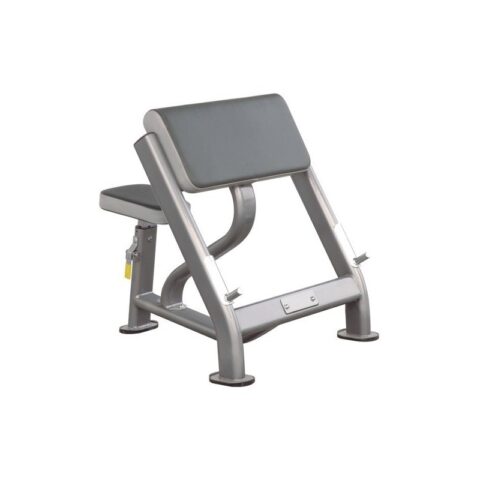
Nigeria’s fitness industry is booming. With rising health awareness, corporate wellness programmes and middle-class growth, commercial gyms are in high demand across Lagos, Abuja, Port Harcourt and emerging cities. But launching a successful commercial gym isn’t just about buying machines—it requires smart planning, the right equipment, adequate space and sound cost estimation. This 2025 guide walks you through the essentials of setting up a commercial gym in Nigeria: the equipment you need, the costs involved, and how to make your business stand out.
What Defines a Commercial Gym? (commercial gym in Nigeria)
A commercial gym is a fitness facility designed for multiple users—often concurrently—rather than a home-gym for one person. Key characteristics include:
-
Heavy-duty equipment built for continuous use.
-
Multiple workout zones (cardio, strength, functional, free weights).
-
Space for staff, locker rooms, possibly shower/changing facilities.
-
Membership model, scheduled classes, trained staff.
In Nigeria, commercial gyms aim to serve urban professionals, students, wellness-focused communities and corporate wellness programmes.
Essential Equipment for a Commercial Gym in Nigeria – commercial gym in Nigeria
When equipping your gym, you’ll want to cover several core categories:
Cardio Equipment
Machines like treadmills, ellipticals, exercise bikes and rowers dominate this category. For example, a heavy-duty multi-station gym equipment supplier in Nigeria lists a commercial multi-station set at ~ ₦4,893,000.
Why it matters: Cardio is entry-level friendly and caters to a wide user base.
Strength Machines & Multi-Station Equipment – commercial gym in Nigeria
Multi-station gyms (3-station, 4-station) allow multiple users to train simultaneously and save space. Example: a 3-station multi-gym in Abuja listed at ~ ₦1,250,000. paramountsportsshop.com
Why it matters: Strength training draws repeat users and builds membership loyalty.
Free Weights & Functional Zone
Dumbbells, barbells, racks, kettlebells, functional rigs. These are essential. Durable flooring and safety features are also important. ASP Events
Layout, Flooring and Support Infrastructure
Your gym needs good flooring (rubber mats, shock absorbing), proper ventilation, changing rooms, and power/internet support. Also, layout matters for flow, safety and user experience.
Cost of Setting Up a Commercial Gym in Nigeria (2025 Estimates) – commercial gym in Nigeria
Costs vary widely depending on size, location, equipment quality and services offered. Some relevant estimates:
-
According to one source, setting up a standard fitness centre in Nigeria may cost between ₦10 million and above. naijagists.com
-
Example equipment cost: Multi-station gym equipment at ~ ₦4.9 million. gategoldfitness.com
A rough breakdown might look like:
| Item | Estimated Cost Range (₦) |
|---|---|
| Cardio Equipment | ₦3 m – ₦8 m |
| Strength & Multi-Station Equipment | ₦2 m – ₦6 m |
| Flooring, Install, Layout, Lighting | ₦1 m – ₦3 m |
| Free Weights & Accessories | ₦0.5 m – ₦2 m |
| Total Setup (Small/Medium Gym) | ₦6 m – ₦15 m+ |
The key takeaway: Plan for a substantial investment, especially if in major urban centres.
Steps to Launch Your Commercial Gym – commercial gym in Nigeria
-
Market Research – Understand your target market, competition, pricing, and location.
-
Choose Location – High traffic area is key, with adequate size, parking, ventilation and accessibility.
-
Select Equipment Supplier – Choose reliable manufacturers/distributors who offer installation, after-sales service and durable machines. Example: Gategold is noted as a top choice in Nigeria. gategoldfitness.com
-
Design Layout & Infrastructure – Plan zones (cardio, strength, free weights, studio classes), flooring, locker rooms.
-
Business Registration & Compliance – Register your business, get necessary permits and ensure insurance.
-
Hire Staff & Trainers – Certified fitness trainers, front-desk staff, maintenance personnel.
-
Marketing & Membership Launch – Use digital marketing, social media, partnerships and referral schemes.
-
Maintenance & Customer Experience – Maintenance plans for equipment, cleaning schedules, member tracking and retention strategies.
Common Challenges & How to Overcome Them – commercial gym in Nigeria
-
Power instability & equipment breakdown: Use stabilisers and ensure suppliers provide on-site servicing.
-
High import costs and currency volatility: Consider local manufacturing or locally supported brands to reduce cost.
-
Member retention: Offer variety (classes, functional areas), community events, and high-quality service.
-
Space constraints: Use multi-station equipment and thoughtful layout for efficiency.
-
Competition: Differentiate via niche services (e.g., corporate wellness, personal training, studio classes).
Conclusion
Opening a commercial gym in Nigeria is a promising venture in 2025, but success requires more than just buying equipment. With careful planning, the right investment, quality machines and a great customer experience, you can build a fitness centre that attracts and retains members. By focusing on equipment quality, layout, member experience and long-term maintenance, you set your gym up for sustainable growth.