


Commercial gym in Nigeria-The fitness industry in Nigeria is witnessing rapid growth, driven by a new wave of health-conscious individuals, corporate wellness programs, and youth entrepreneurship. Across Lagos, Abuja, Port Harcourt, and other cities, commercial gyms are springing up — offering modern equipment, professional trainers, and world-class facilities.
If you’re planning to start or upgrade a commercial gym in Nigeria, this 2025 guide provides everything you need to know — from the right equipment selection and setup process to the cost breakdown and best suppliers in the country.
What Is a Commercial Gym? – commercial gym in Nigeria
A commercial gym is a fitness facility equipped for multiple users at once — typically serving individuals, corporate organizations, or athletes. These gyms offer a wide range of cardio, strength, and functional training equipment designed for intensive daily use.
Commercial gyms differ from home gyms by:
-
Having heavier-duty machines that can withstand constant operation.
-
Providing diverse workout stations (treadmills, bikes, smith machines, benches, etc.).
-
Requiring more space, ventilation, and safety considerations.
Essential Equipment for a Commercial Gym in Nigeria -commercial gym in Nigeria
Choosing the right mix of equipment is the foundation of a successful fitness business. Below are the key categories every commercial gym should include:
1. Cardio Equipment
Cardio machines are vital for endurance and fat-burning workouts.
Must-have equipment includes:
-
Treadmills (motorized, commercial grade)
-
Elliptical trainers
-
Exercise bikes (upright & recumbent)
-
Rowing machines
-
Stair climbers
💡 Recommended brands: DHZ Fitness, Technofitness, Gategold, Bodyline.
2. Strength Equipment
Strength training is the backbone of every gym setup.
Essential machines include:
-
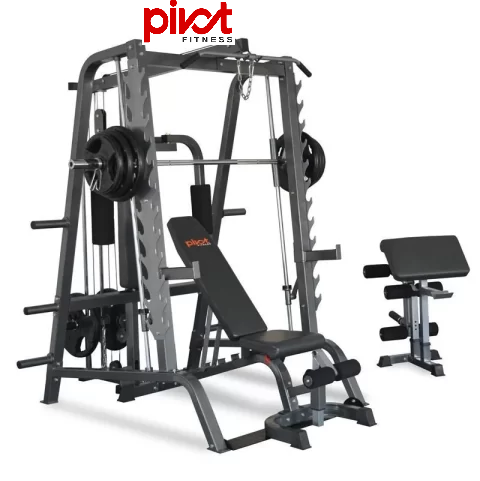
Smith machines
-
Cable crossover stations
-
Leg press & hack squat machines
-
Chest press & shoulder press machines
-
Seated rowing & lat pulldown machines
-
Multi-functional trainers
3. Free Weights & Accessories
Free weights help users target specific muscle groups.
Include:
-
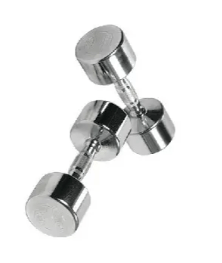
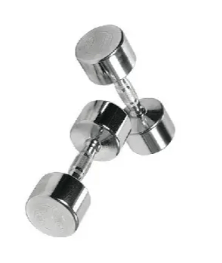
Dumbbells (1kg–50kg sets)
-
Olympic bars and plates
-
Adjustable benches
-
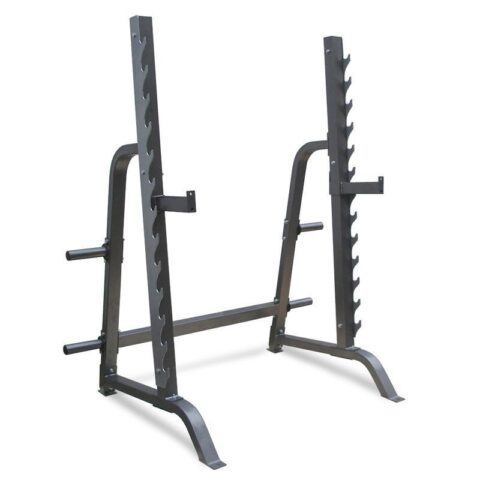
Kettlebells, barbells, and racks
4. Functional Training Equipment
To attract modern fitness enthusiasts, add:
-
Battle ropes
-
Medicine balls
-
Resistance bands
-
Plyometric boxes
-
TRX suspension systems
5. Flooring & Safety Equipment
High-quality gym flooring reduces noise and equipment damage.
Install rubber mats, anti-slip tiles, and shock-absorbing platforms for heavy lifting zones.
Cost of Setting Up a Commercial Gym in Nigeria (2025 Estimate) – commercial gym in Nigeria
Setting up a commercial gym depends on location, equipment quality, and size. Below is an estimated breakdown for 2025:
| Gym Type | Space Needed | Estimated Cost (₦) | Suitable For |
|---|---|---|---|
| Small Commercial Gym | 60–100 sqm | ₦6 million – ₦10 million | Boutique gyms, hotel gyms |
| Mid-size Commercial Gym | 120–250 sqm | ₦12 million – ₦25 million | Standard fitness centers |
| Large Fitness Club | 300+ sqm | ₦30 million – ₦70 million+ | Premium gyms, franchises |
Cost Breakdown
-
Cardio Equipment: ₦3m – ₦10m
-
Strength Machines: ₦5m – ₦20m
-
Free Weights & Accessories: ₦2m – ₦8m
-
Flooring, Mirrors & Décor: ₦1m – ₦5m
-
Installation & Maintenance: ₦500k – ₦2m
Pro Tip: Start moderately and scale up. Begin with the essential machines and expand your equipment list as membership grows.
Steps to Setting Up a Commercial Gym in Nigeria – commercial gym in Nigeria
1. Conduct Market Research
Understand your target audience — are they students, professionals, or athletes? This determines your gym location, membership pricing, and design.
2. Choose a Strategic Location
Select a high-traffic, accessible location — near offices, estates, or schools — with adequate parking and ventilation.
3. Work with Trusted Equipment Suppliers
Buy from verified manufacturers like Gategold Fitness, Bodyline Fitness, or Technofitness to ensure warranty, durability, and after-sales service.
4. Design and Layout Planning
Plan equipment arrangement for safety and convenience. Consider separate zones for:
-
Cardio
-
Weightlifting
-
Functional training
-
Stretching and rest
5. Licensing & Registration
Register your business with CAC, obtain local government permits, and ensure compliance with safety regulations.
6. Hire Professional Trainers & Staff
Your staff should include certified fitness instructors, receptionists, and maintenance personnel.
7. Marketing and Membership Management
Promote your gym via social media, Google My Business, and fitness influencer partnerships. Offer discounts, referral bonuses, and flexible membership plans.
Top Commercial Gym Equipment Suppliers in Nigeria – commercial gym in Nigeria
1. Gategold Fitness – commercial gym in Nigeria
Website: www.gategold.com.nghttps://gategoldfitness.com/
Overview: Leading gym equipment supplier with expertise in commercial setups.
Why Choose Gategold:
-
Supplies international brands like DHZ and Technofitness.
-
Offers installation, maintenance, and staff training.
-
Nationwide delivery and warranty support.
2. Bodyline Fitness – commercial gym in Nigeria
Known for premium-grade imported equipment and full gym installation services.
3. Technofitness Nigeria – commercial gym in Nigeria
Locally produces durable strength and cardio machines customized for Nigerian power conditions.
4. Lifemate Fitness – commercial gym in Nigeria
Affordable, stylish fitness machines for both home and commercial purposes.
Tips to Make Your Commercial Gym Profitable – commercial gym in Nigeria
-
Offer Membership Packages: Weekly, monthly, quarterly, and annual options.
-
Diversify Services: Add personal training, massage therapy, or smoothie bars.
-
Host Fitness Events: Engage your community through wellness challenges.
-
Leverage Technology: Use gym management software to track memberships and payments.
-
Regular Equipment Maintenance: Protect your investment with routine servicing.
Conclusion
Starting a commercial gym in Nigeria in 2025 is a promising and profitable venture — especially as fitness awareness grows among Nigerians. With the right planning, equipment, and partnerships, you can build a professional fitness center that attracts loyal members and generates sustainable income.
Brands like Gategold Fitness, Bodyline, and Technofitness make it easier than ever to equip, install, and maintain your gym with world-class machines designed for Nigerian conditions.
The key to success is simple — invest in quality equipment, create a welcoming environment, and build a fitness community that lasts.