

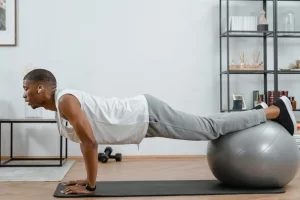
Mental Health Benefits of Exercise
Introduction
Mental Health Benefits of Exercise go far beyond physical fitness — exercise is one of the most effective natural tools to fight stress, boost mood, and build resilience. At Gategold, we believe that fitness isn’t only about building muscle or losing weight, but also about creating a healthier and stronger mind. Whether you are working out at the gym, at home with equipment from Gategold, or joining group classes, exercise plays a critical role in protecting your mental wellbeing.
Mental Health Benefits of Exercise You Should Know
Exercise Reduces Stress and Anxiety
One of the greatest mental health benefits of exercise is its ability to lower stress hormones like cortisol while increasing endorphins. Activities such as treadmill running, cycling, or resistance training on a Gategold strength machine can help you relax and manage daily pressures more effectively.
Boosts Mood and Fights Depression
Regular workouts stimulate the release of dopamine and serotonin, chemicals that directly influence happiness. Even a simple 20-minute walk on your home treadmill from Gategold can significantly lift your mood.
Improves Sleep Quality
Poor sleep and stress go hand in hand. Exercise helps regulate sleep cycles, making it easier to fall and stay asleep, which directly supports better mental health.
Builds Confidence and Self-Esteem
Beyond weight loss and strength gains, exercise builds self-confidence. Setting goals and achieving them, whether through strength training with Gategold equipment or cardio routines, reinforces positive self-image.
Enhances Cognitive Function
Studies show that regular exercise improves memory, focus, and creativity. Incorporating activities like strength circuits or HIIT not only trains your body but also sharpens your mind.
- Explore our Best Cardio Machines for Home Use for stress management.
- Read about Why Strength Training Boosts Mental Health on Gategold.
- Discover Full Body Dumbbell Workouts for beginners at Gategold.
According to the American Psychological Association, exercise is one of the most effective strategies for managing anxiety and depression.
FAQ – Mental Health Benefits of Exercise
Q1: How often should I exercise to improve mental health?
A: Aim for at least 150 minutes of moderate activity or 75 minutes of vigorous activity per week for noticeable mental health improvements.
Q2: What type of exercise is best for mental health?
A: Both cardio and strength training are effective. Even yoga and walking can significantly reduce stress and boost mood.
Q3: Can home workouts improve mental health?
A: Yes! With the right home gym setup from Gategold you can enjoy the same mental health benefits as gym workouts.