
-
-

-
-
-
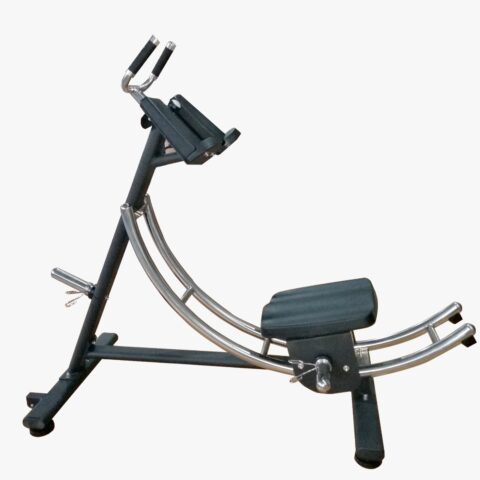
DB-115/DB115 Commercial AB Coaster/Abdominal Crunch Trainer (TechnoFitness Brand)
₦1,066,000.00₦1,066,000.00×
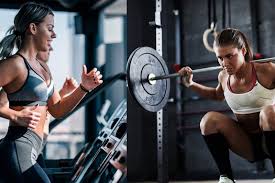
At Gategold Nigeria Ltd, we often get asked: “What’s more effective for building muscle — strength training or cardio?”
This debate between strength training vs cardio has existed for decades, and both play essential roles in fitness. However, understanding how each affects your muscles, metabolism, and endurance can help you design a smarter, results-driven workout plan — whether you train at home or in a commercial gym.
In this article, we’ll compare strength gym equipment machines and cardio gym equipment machines—exploring how they influence muscle growth, what their trade-offs are, and how you can use both effectively in a balanced routine. Whether you’re outfitting a commercial gym or setting up your own training space, this guide will help you make informed choices.
1. Understanding the Basics (strength training vs cardio)
To start, let’s define both types clearly:
-
Strength Gym Equipment Machines: These include resistance machines, weight stacks, plate-loaded machines, cable systems, leg press machines, chest press machines, Smith machines, and so on. They provide resistance so your muscles must exert force, usually in a controlled motion.
-
Cardio Gym Equipment Machines: These include treadmills, ellipticals, stationary bikes, rowing machines, stair climbers, and similar devices meant to raise your heart rate continuously over time. Their primary goal is cardiovascular fitness, though some also engage muscles to varying degrees.
Before judging which is “better,” we need to dig into how muscle building (hypertrophy) works, and how each machine type contributes (or doesn’t) to that process.
2. How Muscle Growth (Hypertrophy) Happens
Building muscle is not just about moving — it’s about applying enough stimulus for adaptation. Several key factors drive muscle growth:
-
Mechanical Tension: Applying force over a muscle under load or resistance.
-
Metabolic Stress: The “burn,” or metabolite accumulation, from higher-rep workloads.
-
Muscle Damage / Repair: Small micro-tears in fibers which, when repaired, lead to growth.
-
Progressive Overload: You must gradually increase resistance, reps, or intensity over time to continue growth.
Resistance or strength machines typically excel at delivering these conditions in a controlled, measurable context. They allow you to gradually add weight, isolate specific muscles, and control range of motion — all important for hypertrophy.
That said, cardio machines are not wholly irrelevant to muscle development: they do contribute to muscular endurance, support metabolic health, and help with nutrient delivery via cardiovascular improvements. But their direct muscle-building capacity is limited compared to strength equipment.
3. Strength Machines: Pros & Cons for Muscle Building
3.1 Benefits
Targeted Muscle Activation
Strength machines allow you to isolate specific muscle groups (quads, glutes, chest, back, arms) with precise resistance. This helps you address weak areas or lagging muscle groups more effectively.
Easier Progressive Overload
Machines with weight stacks or adjustable plates let you incrementally increase load in small steps, which is essential for gradual growth without injury.
Range Control & Safety
Many strength machines guide your movement, reducing risk for beginners or those unfamiliar with free-weight technique. This can allow heavier loads with less injury risk.
Bone & Skeletal Benefits
Resistance training helps improve bone density, joint stability, and musculoskeletal health — important over time, especially for aging populations.
3.2 Drawbacks & Limitations
Less Functional Strength
Because machines constrain movement paths, they may not translate directly to real-world, free movements. Overreliance on machines may reduce development of stabilizer muscles and balance.
Limited Range of Motion
Some machines don’t allow full natural motion; that can limit how fully a muscle is engaged.
Cost & Space
High-quality strength machines are heavy, expensive, and take up space. For many gym owners, the cost vs. usage must be weighed carefully.
Plateaus Without Variation
If not varied (in angle, grip, tempo), machines can lead to adaptation and stagnation unless stimuli are changed over time.
4. Cardio Machines: Pros & Cons in Relation to Muscles
4.1 Benefits
Cardiovascular & Metabolic Health
Cardio machines shine in improving heart health, lung capacity, endurance, blood circulation, and calorie burn. Strong cardiovascular systems support recovery and performance in strength training.
Calorie and Fat Burn
Using cardio machines helps you achieve a caloric deficit, which is often necessary for fat loss while retaining muscle (if strength training is also present).
Muscular Endurance & Secondary Stimulus
Machines like rowers, ellipticals, or incline machines provide muscular endurance demands, especially for smaller muscle groups (hamstrings, calves, upper back). While they won’t build big size, they help maintain conditioning.
4.2 Drawbacks & Limitations for Muscle Growth
Insufficient Resistance for Hypertrophy
Cardio machines primarily work through movement and cardiovascular demand, not heavy resistance. They can’t deliver the same mechanical tension or overload needed for significant muscle gain.
Catabolic Risk When Overdone
Excessive cardio, especially fasted or in large volume, can cause muscle breakdown if not paired with sufficient recovery, protein, or strength stimulus.
Repetitive Motion & Overuse Injuries
Constant repetition without variation might lead to overuse injuries, and may neglect muscles not well engaged by the movement pattern.
5. Comparative Table (strength training vs cardio)
| Feature | Strength Machines | Cardio Machines |
|---|---|---|
| Muscle Growth Potential | High | Low to Moderate |
| Cardio / Endurance Benefit | Moderate | High |
| Range of Motion | Guided / Limited | More open / dynamic |
| Target Muscle Groups | Specific / Isolated | Multiple (with lower intensity) |
| Safety / Guidance | High (machine support) | Moderate (user controls movement) |
| Space & Cost | High | Moderate to High |
| Plateau Risk | Yes (if monotony) | Yes (if same mode) |
6. Which is Better for Muscle Building?(strength training vs cardio)
If your primary goal is muscle growth (hypertrophy), strength machines are generally more effective. They give you more control over tension, load, and progressive resistance. That doesn’t mean cardio machines are useless — they complement your training by enhancing endurance, aiding calorie burn, and helping recovery.
However, the best muscle-building programs often incorporate both: strength training for direct muscle stimulus, with cardio to support health, recovery, and caloric balance. Recent research supports this combined approach. A long-term trial showed that splitting workout time between resistance and aerobic training reduced cardiovascular risk similarly to cardio-only routines — and offered muscle benefits too.
In practice:
-
Use strength machines (or free weights) 3–5 times weekly for major muscle groups
-
Add 2–3 cardio sessions of moderate intensity for conditioning and recovery
-
Incorporate HIIT or circuit sessions combining both approaches
-
Schedule cardio after strength work or on separate days to avoid fatigue interfering with lifting
7. Sample Combined Routine (strength training vs cardio)
Here’s an example weekly split:
| Day | Focus | Sample Machines / Equipment |
|---|---|---|
| Mon | Upper Body Strength | Chest press, lat pulldown, shoulder press |
| Tues | Cardio / Active Recovery | Rowing machine, elliptical for 30 min |
| Wed | Lower Body Strength | Leg press machine, hamstring curl, calf raise |
| Thu | Cardio / HIIT | Treadmill sprints, incline walk |
| Fri | Full-body Strength | Cable machines, multi-stations |
| Sat | Low-intensity Cardio | Bike ride, walking, light climb |
| Sun | Rest / Stretch & Mobility | Foam rolling, yoga, mobility work |
Balance ensures muscle stimulus, cardiovascular health, and recovery.
8. Practical Tips & Recommendations (strength training vs cardio)
-
Plan Periods of Emphasis — cycle phases with more strength focus vs more cardio focus.
-
Maintain Form & Technique — whether machine or cardio, good posture matters.
-
Don’t Overdo Cardio — especially in the muscle-gaining phase, avoid excessive steady-state cardio.
-
Nutrition & Recovery — muscle growth requires adequate protein, sleep, and rest days.
-
Vary Equipment & Mode — alternate machines, angles, tempos to avoid adaptation.
-
Monitor Results & Adjust — use body composition, strength gains, and energy levels, not just scale weight.